Built by the Players: The Mod Scene's Greatest Triumphs — and Its Messiest Disasters
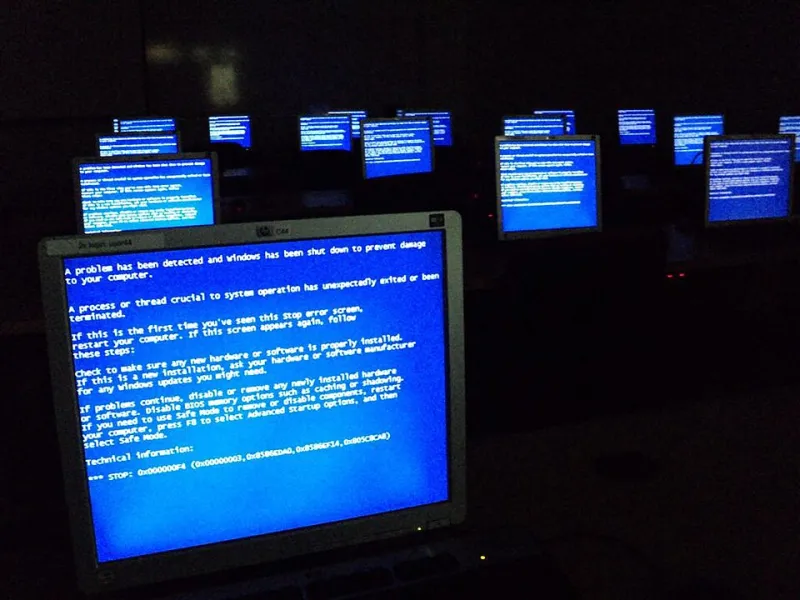
Photo: Tamatak 'v chamatak ki, Public domain, via Wikimedia Commons
Somewhere right now, a developer is shipping a game that will be broken on arrival. And somewhere else, a modder is already downloading the files, ready to fix it for free before the studio's patch team even clocks in Monday morning.
That's the modding community in a single image: brilliant, generous, chaotic, and occasionally more powerful than the people who made the game in the first place.
The Case for Mods: When Players Save Their Own Games
Let's start with the wins, because there are a lot of them.
The Elder Scrolls V: Skyrim launched in 2011 and should have aged out of cultural relevance years ago. Instead, it's still one of the most-played games on Steam — and the modding community is almost entirely responsible for that longevity. The Nexus Mods page for Skyrim lists over 70,000 individual mods. Seventy thousand. Some of them are silly (Thomas the Tank Engine replacing dragons remains a genre classic). But many of them are serious, sweeping overhauls that have transformed the base game into something its original developers wouldn't fully recognize.
Mods like Enderal: Forgotten Stories — a total conversion built inside Skyrim's engine — offer complete standalone narratives with original voice acting, new questlines, and entirely reimagined worlds. It's a full game, built for free by fans, running inside another game's skeleton. That's not a mod. That's a miracle.
Then there's the community-as-support-team angle. Cyberpunk 2077 launched in December 2020 in a state that was, to put it charitably, a disaster. Bugs, crashes, missing features — the backlash was severe enough that Sony pulled it from the PlayStation Store. While CD Projekt Red scrambled on official patches, modders were already in the files, fixing UI issues, restoring cut content, and improving performance. Players who stuck with the PC version during those early months did so partly because the mod community kept it functional.
Same story with Star Wars: Knights of the Old Republic II, one of the greatest RPGs ever made — and one that shipped notoriously unfinished after Obsidian Entertainment was rushed to release. For years, the Restored Content Mod has been the definitive version of that game, piecing together cut endings, characters, and story beats from leftover files. It's been available longer than the original game has been officially supported.
The Creative Chaos That Nobody Planned For
Here's where it gets complicated, and where my genuine admiration for the mod scene runs into some real friction.
Mods are, by definition, unofficial. They operate in a legal gray zone that developers have historically tolerated because the goodwill — and the extended shelf life — is worth more than the legal headache. But that tolerance isn't a guarantee, and it's not a right.
When Bethesda launched its paid mod system (initially called the Creation Club, later folded into the Anniversary Edition approach), the reaction from the modding community was volcanic. The argument wasn't just about money — it was about the entire value structure of a community built on free exchange. Suddenly, content that had always lived outside commerce was being pulled into a commercial framework, and modders who'd spent years building tools and frameworks for free felt like the ground had shifted under them.
Bethesda is far from the only studio to navigate this tension awkwardly. Riot Games has historically been aggressive about shutting down fan projects built around League of Legends IP. Nintendo — famously, almost comically — has pursued DMCA takedowns against fan games and mods with a consistency that borders on performance art. When AM2R, a fan-made remake of Metroid II, was taken down just days after winning a fan game award, the backlash was intense enough that Nintendo eventually released its own official Metroid II remake. Whether that was coincidence or not remains a fan debate.
When Fan Passion Becomes Community Poison
The messiest disasters in modding aren't always legal. Sometimes they're social.
Take the Fallout modding scene, which has produced genuinely incredible work — Fallout: New Vegas mods alone could fill a separate article. But that same community has also been a flashpoint for some of the ugliest fandom infighting in gaming. Competing mod frameworks have split communities into hostile factions. Mod authors have had their work stolen, re-uploaded without credit, and monetized by bad actors. Harassment campaigns against prominent modders — particularly women and people of color who've built large followings in the space — have driven talented creators out of the community entirely.
The same passion that makes modding incredible also makes its community capable of real toxicity. When someone has spent 2,000 hours building a mod, the line between creative investment and possessive obsession can blur fast. And when two large, competing visions for what a game should be collide in the same community space, the fallout can be genuinely ugly.
So Where Does That Leave Us?
Honestly? In the same complicated place gaming always lands when it's at its most interesting.
The mod scene is one of the most purely creative forces in the entire entertainment industry. It's players taking ownership of their own experiences, refusing to let games die, and building things that the original developers never imagined. That deserves celebration, loudly and often.
But it also exists in a space without guardrails — legally, commercially, and socially. The same freedom that enables Enderal also enables harassment campaigns. The same passion that fixes broken launches also fuels community wars over competing frameworks.
The game isn't just the game anymore. Sometimes the community is the game — and like any game worth playing, it comes with its own set of rules, its own chaos, and its own very high stakes.
The unlock code for the mod scene is simple: respect the creators, protect the community, and maybe — just maybe — let the Thomas the Tank Engine dragon fly.